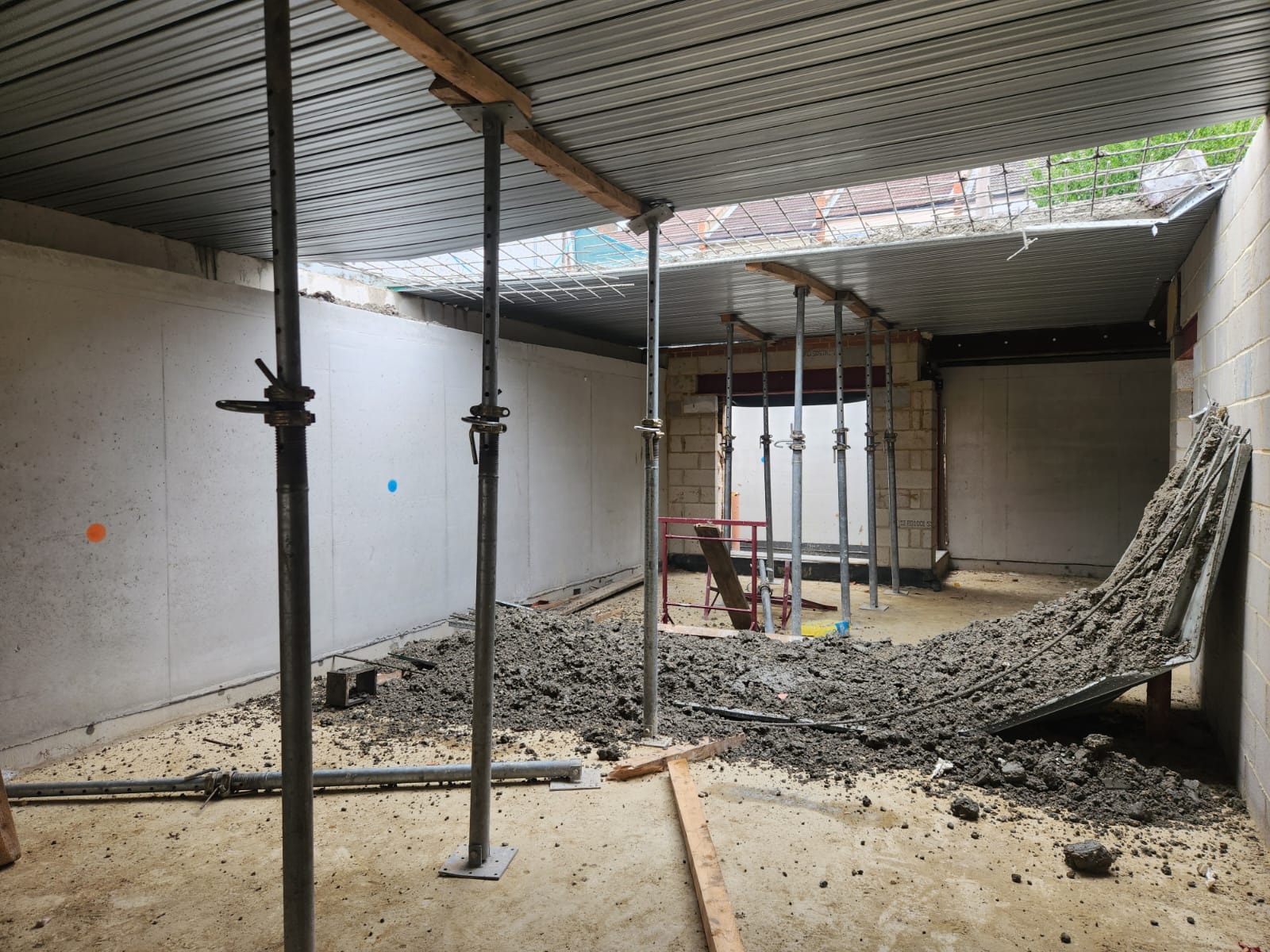

It can go horribly wrong when you rush or don’t listen to the advice your supplier gives you!
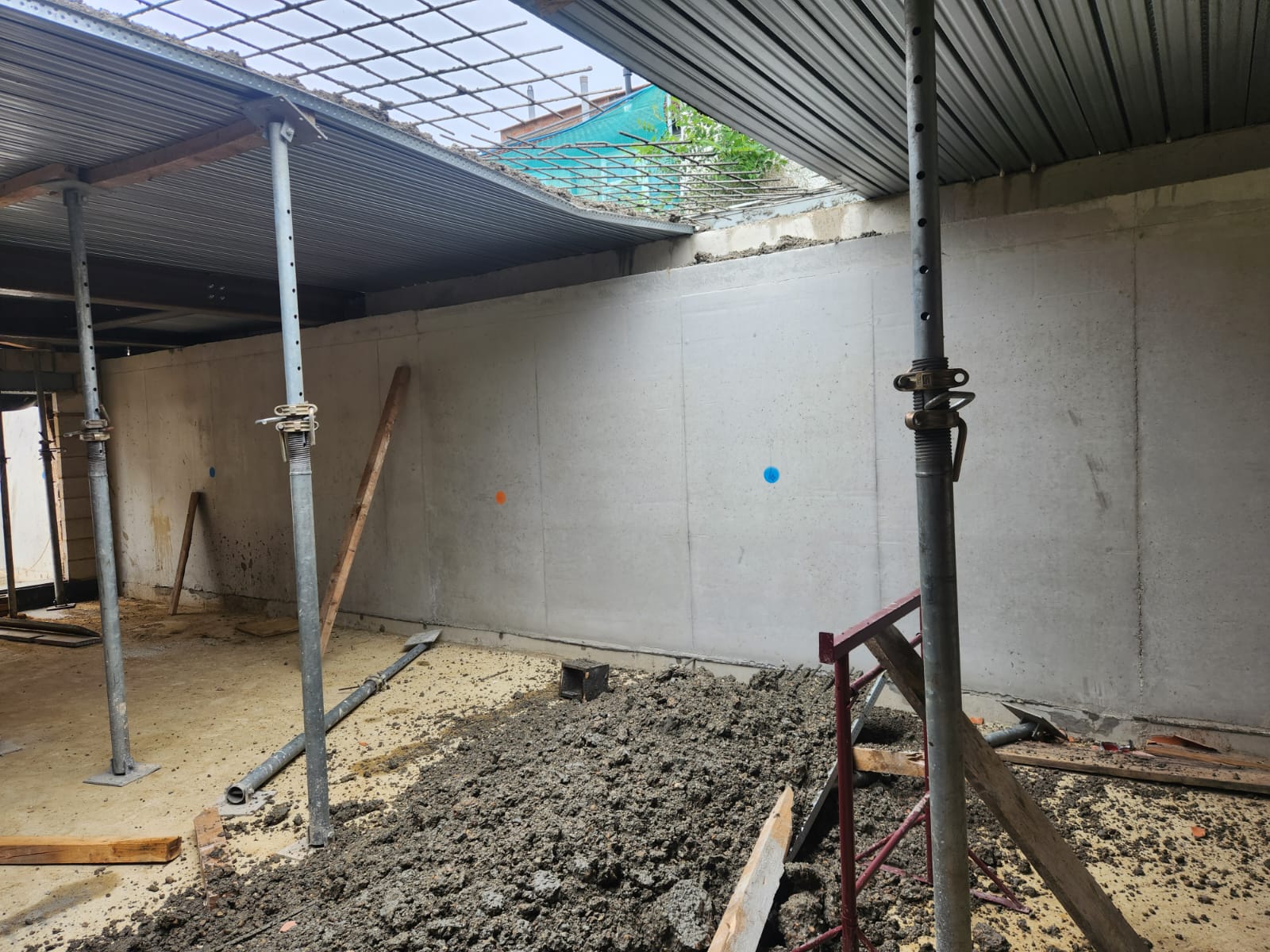
Steel decking practices play a crucial role in the success and safety of construction projects. With advancements in technology and design, it is essential for professionals to stay updated on best practices when working with steel decks. In this blog post, we will delve into some key aspects of propping steel floor decking, ensuring optimal performance and stability.
We will cover the importance of correct prop placement in steel floor decking, exploring various types of props used for supporting these structures. Furthermore, we will examine proper spacing and arrangement techniques for temporary supports to maintain structural integrity during construction.
As you continue reading this comprehensive guide on steel decking practices, you can expect to gain valuable insights into choosing suitable materials for props based on project needs. We will also highlight the advantages and disadvantages of using timber versus metal supports while taking into account factors that affect material selection.
In conclusion, our discussion on determining optimal spacing based on design requirements will provide an understanding of potential consequences arising from inadequate support distribution. By following these best practices in steel deck installation, construction related business owners can ensure their projects are both safe and efficient.
Propping Steel Floor Decking Best Practices
Proper propping techniques for steel floor decking are crucial for safety and stability during construction.
- Correct prop placement: Ensure structural integrity and prevent buckling or collapsing under load by placing props correctly. Learn more about correct prop placement here.
- Types of props: Common materials include timber and steel plates supported by adjustable length steel tubes. Discover different types of props here.
- Spacing and arrangement of temporary supports: Place supports about 1 meter apart according to designer specifications and extend timber bearers across the full width of each bay. Find out how to determine optimal spacing here.
Proper Prop Placement Techniques for Structural Integrity
Correct prop placement is crucial during construction to maintain the structural integrity of the building.
- Mid-span vs third point prop placement: Mid-span placements provide better support for longer spans, while third point placements offer increased stability and load distribution in shorter spans.
- Placement guidelines: Props should be placed at mid-span or third points within a span, while avoiding cutting the decking sheets.
- Risks of improper installation: Incorrectly installed props can lead to uneven load distribution, causing potential damage or collapse of the steel floor decking system.
- Importance of load distribution: Adhering to proper prop placement guidelines ensures that loads are distributed evenly across the deck’s surface.
- Additional resources: For more information on prop placement techniques, check out this article.
Choosing Suitable Materials for Props
When it comes to supporting steel floor decks, the materials you choose can make or break your project.
Common options include timber and steel plates supported by adjustable steel tubes.
Timber props are lightweight, easy to handle, and more cost-effective, but may require more frequent replacement than metal supports.
Factors like load capacity, environmental conditions, and budget constraints will influence your choice between timber or metal supports at the top and bottom of the line of props – centred at no more than 1 meter apart.
.jpg)
Proper Spacing of Temporary Supports for Deck Construction
Spacing your temporary supports correctly is crucial to ensure your deck remains stable and safe throughout the construction process.
- Follow designer specifications: Place your supports about 1 meter apart, as recommended by the designer, and extend timber bearers across the full width of each bay.
- Uneven load distribution: Failing to adhere to appropriate spacing guidelines can lead to uneven load distribution, which may result in structural instability or even failure during construction.
- Importance of load distribution: Proper load distribution is essential to prevent potential issues such as buckling or collapsing, so it’s crucial to follow the designer’s recommendations for prop placement and spacing.
- Back up your claims: Check out this source for more information on deck support columns.
FAQs in Relation to Steel Decking Practices
What is the methodology of steel decking?
Steel decking involves using cold-formed galvanised metal sheets as a structural support for concrete slabs in floor and roof construction.
What are the 5 types of steel deck?
The three main types of steel decks are non-composite and composite decks. Metfloor 55, 60 & 80 then the longer span deck for RC slabs are RMD225 and CF100 TATA for longer spans over 5 mtrs.
What are the advantages of steel decking floors?
- Speedy installation: Steel decking can be installed quickly compared to traditional methods.
- Durability: Steel provides excellent resistance against corrosion, fire damage, pests, rotting or warping.
- Sustainability: Metal components can be recycled at end-of-life without losing their properties or quality.
- Economical: Reduced material costs due to efficient use of resources during manufacturing processes lead to overall cost savings on projects.
- Versatile and quickly obtainable – Work with RMD Profiles Ltd and get action on site sooner without catastrophes!!!
What are the five types of metal decking?
- Ribbed (corrugated) metal deck – features raised ribs running perpendicular to supports.
- Cellular metal deck – consists of corrugated panels with circular or rectangular openings for weight reduction and utility routing.
- Composite metal deck – combines steel decking with concrete to form an integrated structural system.
- The most common are Metfloor 55, 60 & 80, the depth of the profile from bottom of the trough to top of the ridge plus 10mm for the stiffener which helps increase shear bond resistance.
Conclusion
Proper propping techniques are crucial for stable and safe steel decking practices, including correct placement of temporary supports, suitable materials for props, and appropriate spacing to prevent costly mistakes and ensure project success.
Following these best practices helps construction business owners avoid risks associated with improper prop installation and inadequate support distribution, prioritising safety when working with steel floor decking by implementing appropriate measures for propping.
See below a picture of a supply only client ignoring the advice given and not putting props in place properly. Thankfully nobody was hurt in this accident. Its a stark reminder that things can go wrong if you ignore the professionals advising you of critical action you should take when installing your own deck structures.